
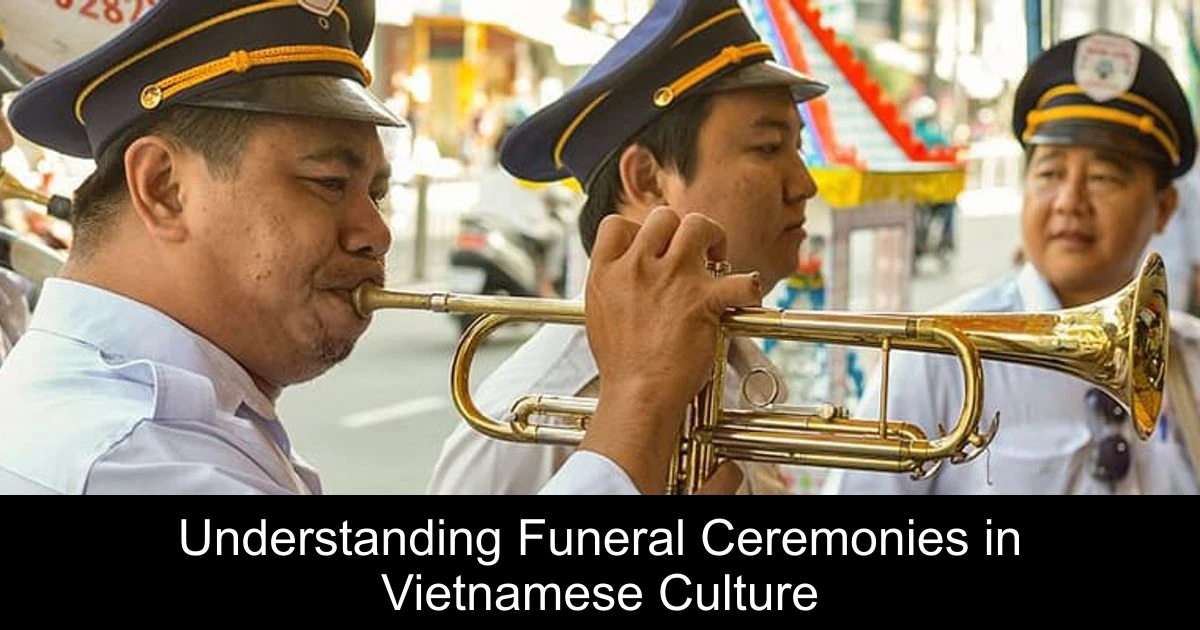
The intricacies of funeral ceremonies in Vietnam provide a profound insight into the cultural values of this vibrant nation. For travelers seeking a deeper understanding of Vietnamese customs, these ceremonies reveal the respect and reverence held for the deceased. Learning about these traditions enables visitors to appreciate the local perspectives on life and death. As you journey through Vietnam, witnessing or understanding such a ceremony can enhance your connection to the people and their history. Let's explore the elements and significance of these rituals that encapsulate the essence of Vietnamese heritage.
Traditional Funeral Ceremonies
In Vietnam, a funeral is a deeply serious affair that reflects the cultural belief that death is not the end but a transition. The preparations are meticulous, starting with washing and dressing the body, often with great care and respect. A chopstick is placed between the deceased's teeth, along with a pinch of rice and three coins, symbolizing the journey into the afterlife. The body is then laid on a grass mat and covered with a white cloth before being placed in a coffin. The solemnity of these actions conveys the deep respect the family has for their loved one, making the ceremony an essential part of their mourning process.
Once the deceased is prepared, the funeral ceremony proceeds to a public display, where friends and family gather to offer their condolences. The ambiance is typically somber, with attendees dressed in white turbans or black mourning bands as a sign of respect. After the public mourning, the body is buried, and a significant period of mourning commences. In Vietnam, the mourning period traditionally lasts 49 days and includes several rituals and visits to the tomb. These practices are meant to honor the departed and provide a path for the family to grieve and remember their loved one.
Modern Adaptations of Funeral Ceremonies
Today, while some traditional customs remain, many funerals have embraced modern practices that simplify the process. The focus has shifted towards essential steps: covering the body, placing it in the coffin, conducting a funeral procession, and burial. This evolution reflects the changing lifestyles of many Vietnamese people while still honoring their ancestral customs. In contemporary ceremonies, the participation of family and friends is still crucial, providing a communal atmosphere of support and remembrance.
Funeral rites may also vary by region, with urban families often opting for quicker and less elaborate ceremonies compared to their rural counterparts, who may adhere more closely to traditional protocols. The changes observed in these rituals illustrate the broader transformations in Vietnamese society, blending tradition with modernity. Regardless of these adaptations, the core essence of respect for the deceased remains steadfast, illustrating the importance of honoring one's heritage.
Conclusion
Understanding funeral ceremonies in Vietnam offers valuable insights into a culture that views death as a significant and respectful transition. Whether witnessing a ceremony firsthand or simply reading about it, this experience can enrich your travels through Vietnam. As you explore this remarkable country, take a moment to reflect on these customs, for they embody the souls of those who have come before. Embrace the beauty of Vietnamese culture, where life and death are intricately intertwined, and every ritual invites a deeper connection with its vibrant traditions.